Every vehicle has a maximum towing capacity, and exceeding it isn’t just risky — it can cause real, expensive damage to your transmission, brakes, and frame. Understanding your own vehicle’s rating is worth five minutes before you ever hook up a trailer.
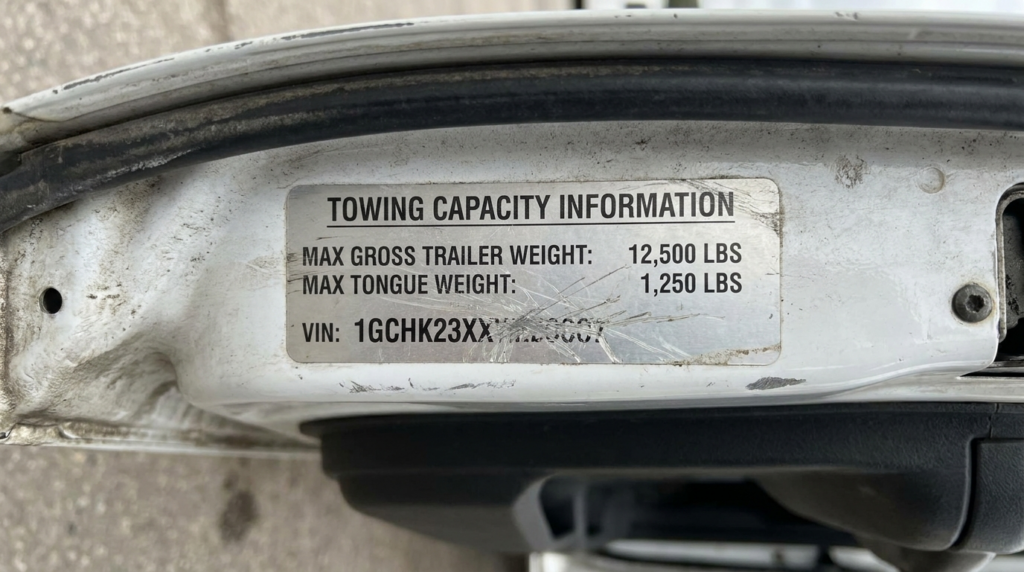
Where to Find Your Vehicle's Towing Capacity
- The sticker on the driver’s side door jamb, usually listing GVWR and maximum towing capacity
- Your owner’s manual, which breaks down capacity by trim and configuration
- The manufacturer’s official towing guide for your specific model year
What Happens If You Exceed It
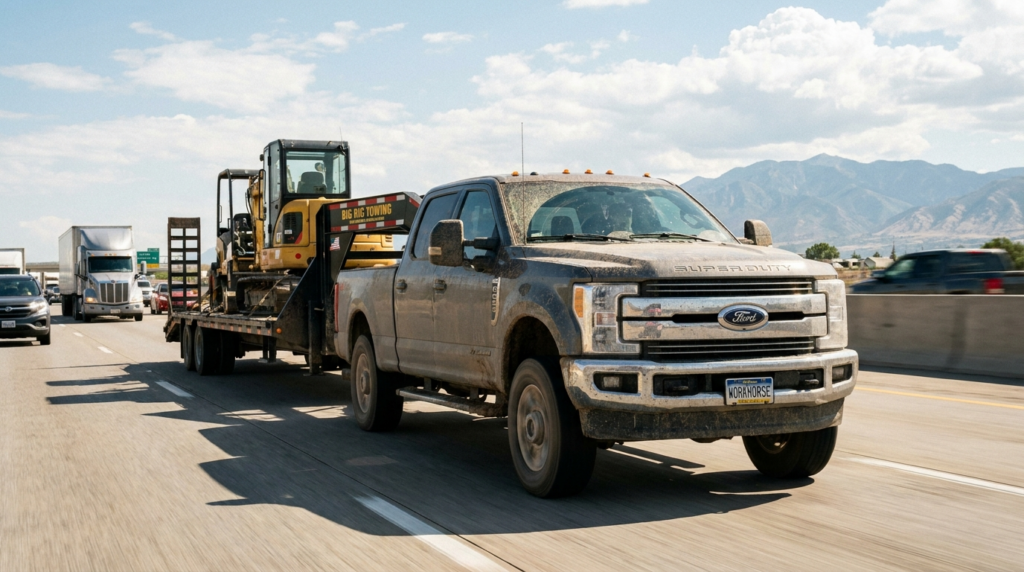
Overloading a vehicle’s towing capacity puts excess strain on the transmission and engine, extends stopping distance significantly, and can cause dangerous trailer sway. It also often voids warranty coverage if a related failure occurs.
Don't Forget Tongue Weight and Passengers
Total towing capacity accounts for the trailer and cargo, but you also need to factor in passengers, gear already in the vehicle, and tongue weight (typically 10-15% of trailer weight). Adding all of this up sometimes reveals you’re closer to the limit than the trailer weight alone suggests.
Frequently Asked Questions
Where exactly is my vehicle's towing capacity listed?
Check the sticker on the driver’s side door jamb, or your owner’s manual for a breakdown by trim.
Does towing capacity include passengers and cargo?
The rating is for the trailer itself, but passengers and cargo inside the vehicle count against your overall gross vehicle weight rating, so it’s worth checking both.
What is tongue weight and why does it matter?
Tongue weight is the downward force the trailer puts on the hitch, typically 10-15% of trailer weight — too much or too little can cause instability while towing.
Not sure if your vehicle can safely tow something? 24 Hour Towing St. Charles MO can help, or step in if something goes wrong. Contact us at 636-736-0686.